Creating more resilient and nature-positive treescapes for the future
The environmental challenges we face today – from climate change to biodiversity loss – stem from complex interactions between human activities and natural systems. To address these challenges, we need solutions that consider both ecological networks and human relationships with nature.
About the project:
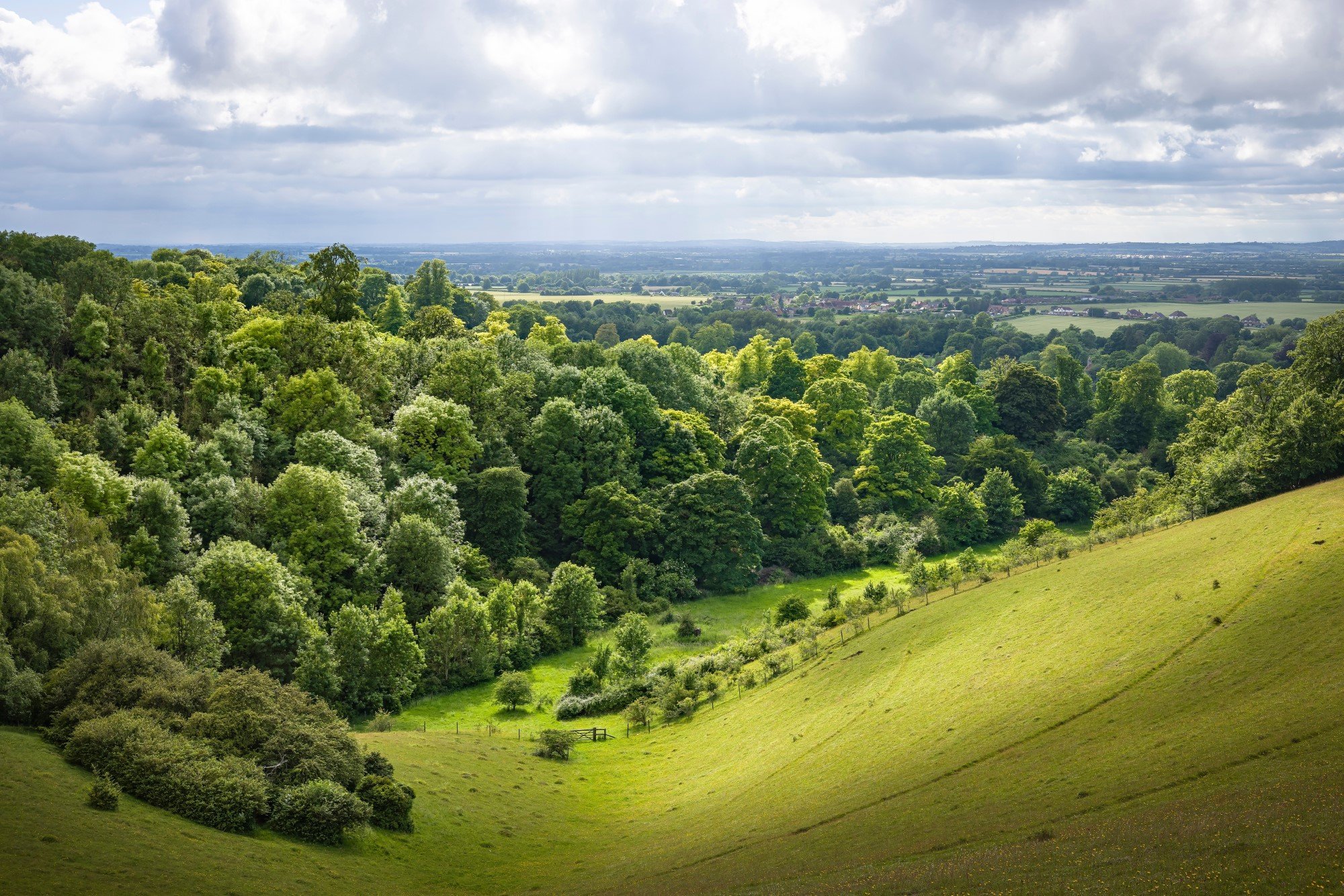
By combining insights from ecology, psychology, history, and economics, the Connected Treescapes project examined how human-nature interactions have shaped our woodland landscapes over centuries, and how they continue to evolve today.
The project investigated multiple dimensions of connectivity, including the ecological networks that support biodiversity, the ecosystem services that benefit human wellbeing, and the social connections that enable collaborative land management.
Project findings:
The findings of the project can be used by practitioners and policymakers to inform decision-making around woodland creation and management. By understanding both the ecological and social aspects of treescapes, we can develop strategies that enhance biodiversity, strengthen ecosystem resilience, and maintain vital connections between people and nature.
Our integrated approach offers a pathway toward more resilient and nature-positive treescapes for the future.
Themes, summaries & outputs
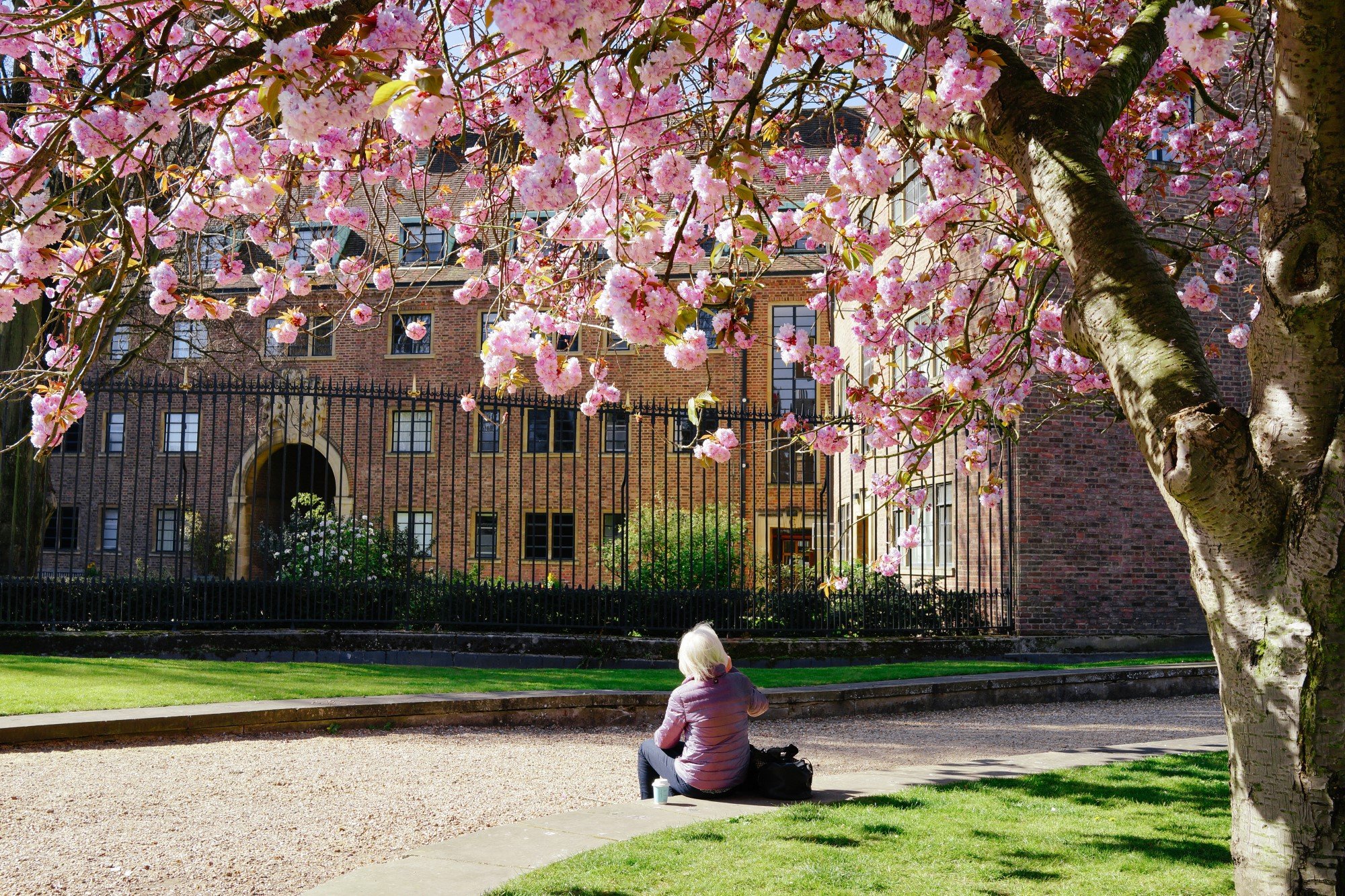
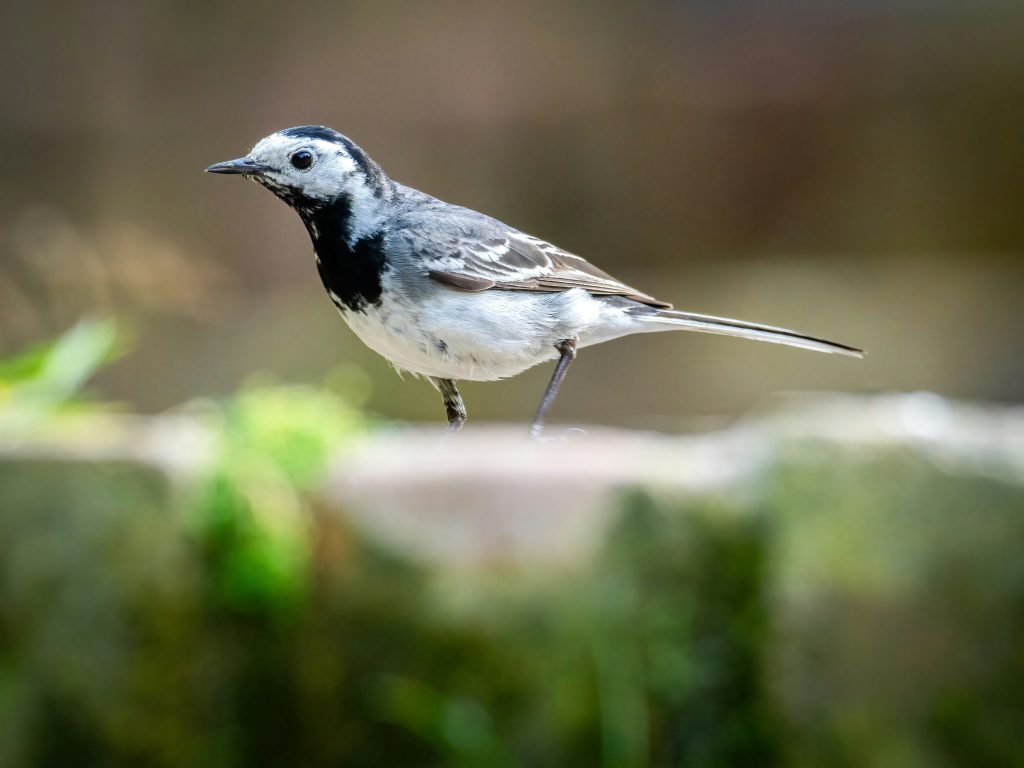
The project’s research findings have been grouped into themes based on the different types of connection investigated. The outputs from these themes are presented in a range of formats, including interactive tools, research summaries and how-to-guides. These can all be explored through the links below.

Outputs:



UK Treescapes
The Connected Treescapes project is funded as part of the wider Future of UK Treescapes programme. This holistic and interdisciplinary programme aims to investigate the roles the UK’s trees, woodlands and forests play in our communities, environment, and culture.

Benefiting the climate, people, and nature.
By developing research and evidence across the sciences, arts, and humanities, the programme aims to inform future decision making and support policy development for treescapes that benefit the climate, people, and nature. The Future of UK Treescapes Programme is funded by the Natural Environment Research Council and jointly funded with the Arts & Humanities Research Council and the Economic & Social Research Council, with contributions from Defra and the Welsh and Scottish governments.